

Oil and Gas Industry
Egypt is a major oil and gas producer in Africa, and the oil and gas industry serves as a core pillar of its national economy, accounting for approximately 13.6% of GDP and contributing around 45% of the country’s merchandise export revenue, making it one of Egypt’s key sources of foreign exchange. According to 2025 data from the Egyptian Ministry of Petroleum and Mineral Resources, Egypt’s daily crude oil output stands at around 670,000 barrels, with an annual production of about 30 million tons. As the third-largest natural gas producer in Africa, Egypt recorded 60 new oil and gas discoveries in 2025, including 18 new reserves and 13 commissioned projects in the second half alone. The Zohr giant gas field continues to supply roughly 25% of the nation’s natural gas, with annual output exceeding 55 billion cubic meters. Egypt has 11 refineries, and following continuous capacity upgrades and technical renovations, its refining capacity rose by 10% in 2025, ranking first in Africa. The Alexandria National Refining & Petrochemicals Company alone accounts for about 30% of domestic gasoline production, forming a core part of the local refining and petrochemical chain. Mordor Intelligence’s 2026 report shows Egypt’s oil and gas market reached $7.54 billion in 2025, projected to rise to $8.05 billion in 2026 and climb to $11.18 billion by 2031 with a compound annual growth rate of 6.78%, reflecting strong growth potential.
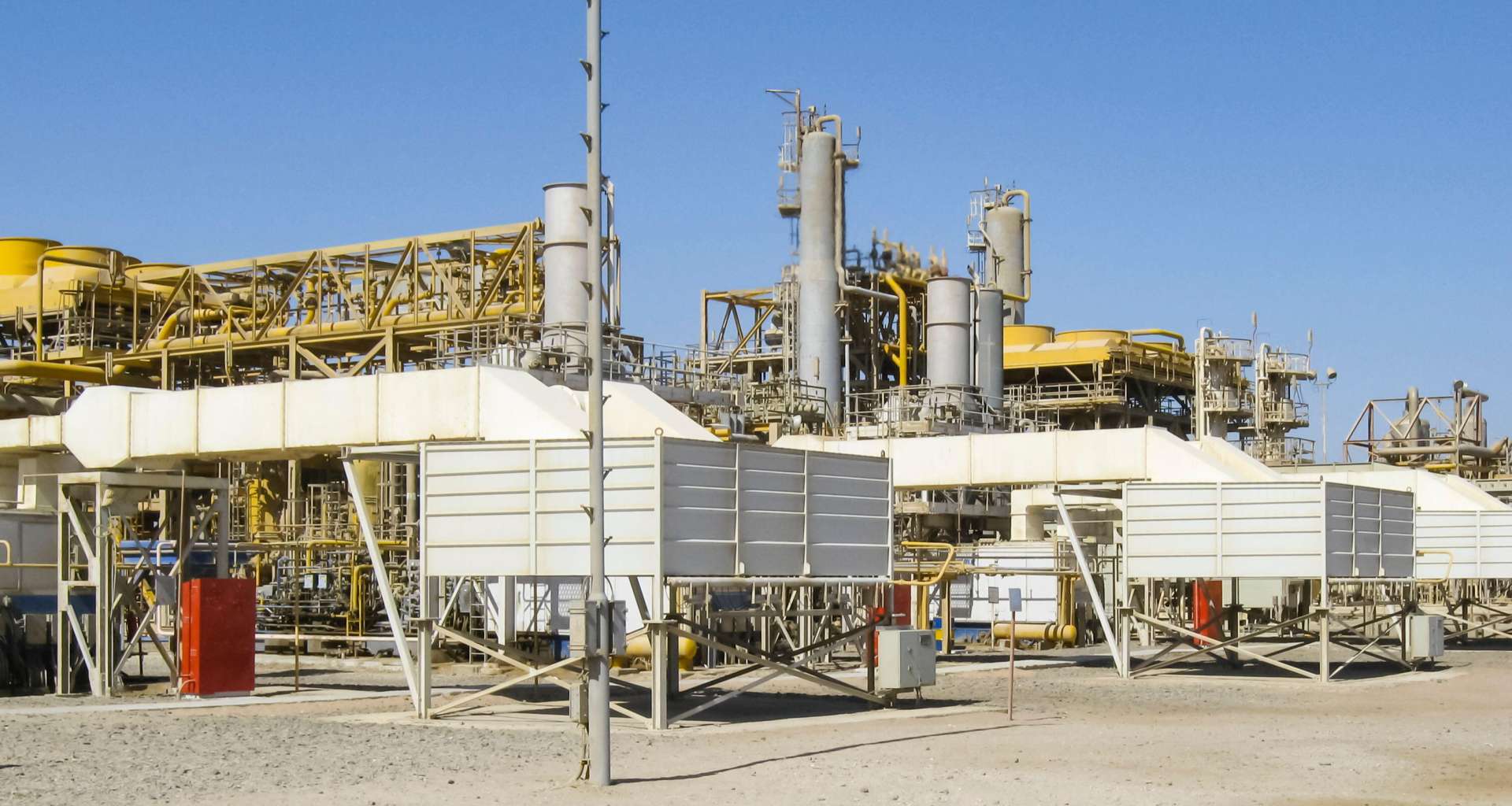
Across the entire oil and gas upstream and downstream chain, hazardous environments such as refineries and gas processing plants — featuring flammable gases, vapors or combustible dusts — require explosion-proof overhead cranes for equipment lifting, installation and maintenance. In coking plants, coking cranes transport hot coke from coke ovens to coke buckets, and convey cooled and dewatered coke to crushers, hoppers or conveyors. Such lifting equipment is critical to the safe and stable operation of the oil and gas industry.
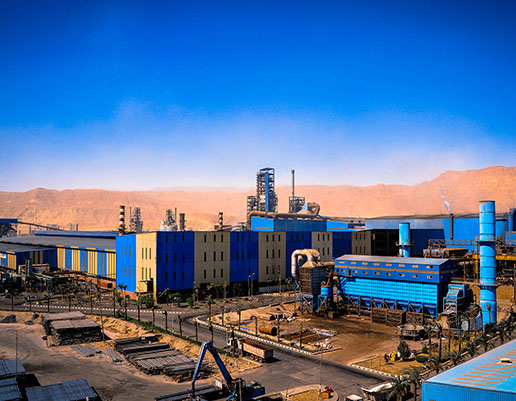
Textile Industry Egypt hosts Africa’s largest cotton textile industrial cluster. As the second-largest manufacturing sector, it has built a complete industrial chain covering cotton cultivation, spinning, weaving and garment manufacturing. As of 2025, Egypt has approximately 7,000 textile enterprises, with the sector contributing about 3% of GDP, serving as a major pillar for exports and employment. Textile production involves frequent handling of raw cotton, yarn spools, fabric rolls and dyestuff or chemical materials between workshops and processes. Overhead cranes greatly improve handling efficiency and operational safety. Single-girder overhead cranes dominate standard applications, while double-girder overhead cranes are used for medium-to-heavy loads, supporting continuous and intelligent production in modern textile mills.
Steel Industry
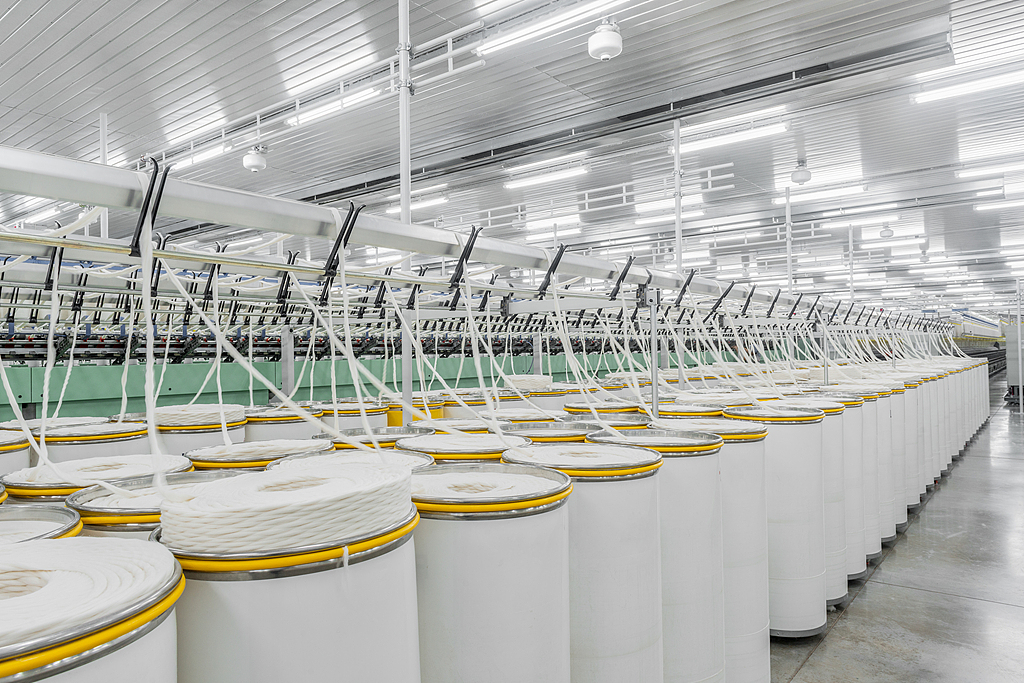
Egypt is Africa’s largest steel producer and consumer. In 2023, its crude steel output reached 10.4 million tons, with steel imports at $4.22 billion and exports at $2.33 billion, maintaining steady growth. The steel market is forecast to reach approximately $4.482 billion by 2033. Steel production — including smelting, casting, rolling and storage — involves high-temperature, heavy-duty and continuous operations, requiring frequent lifting of ladles, steel coils, profiles and other heavy materials. Overhead cranes are essential equipment for high-intensity, high-safety applications. Common models include double-girder overhead cranes, ladle cranes, electromagnetic overhead cranes and clamp-type overhead cranes, ensuring reliable lifting for various processes.
Competitive Landscape of Overhead Crane Suppliers
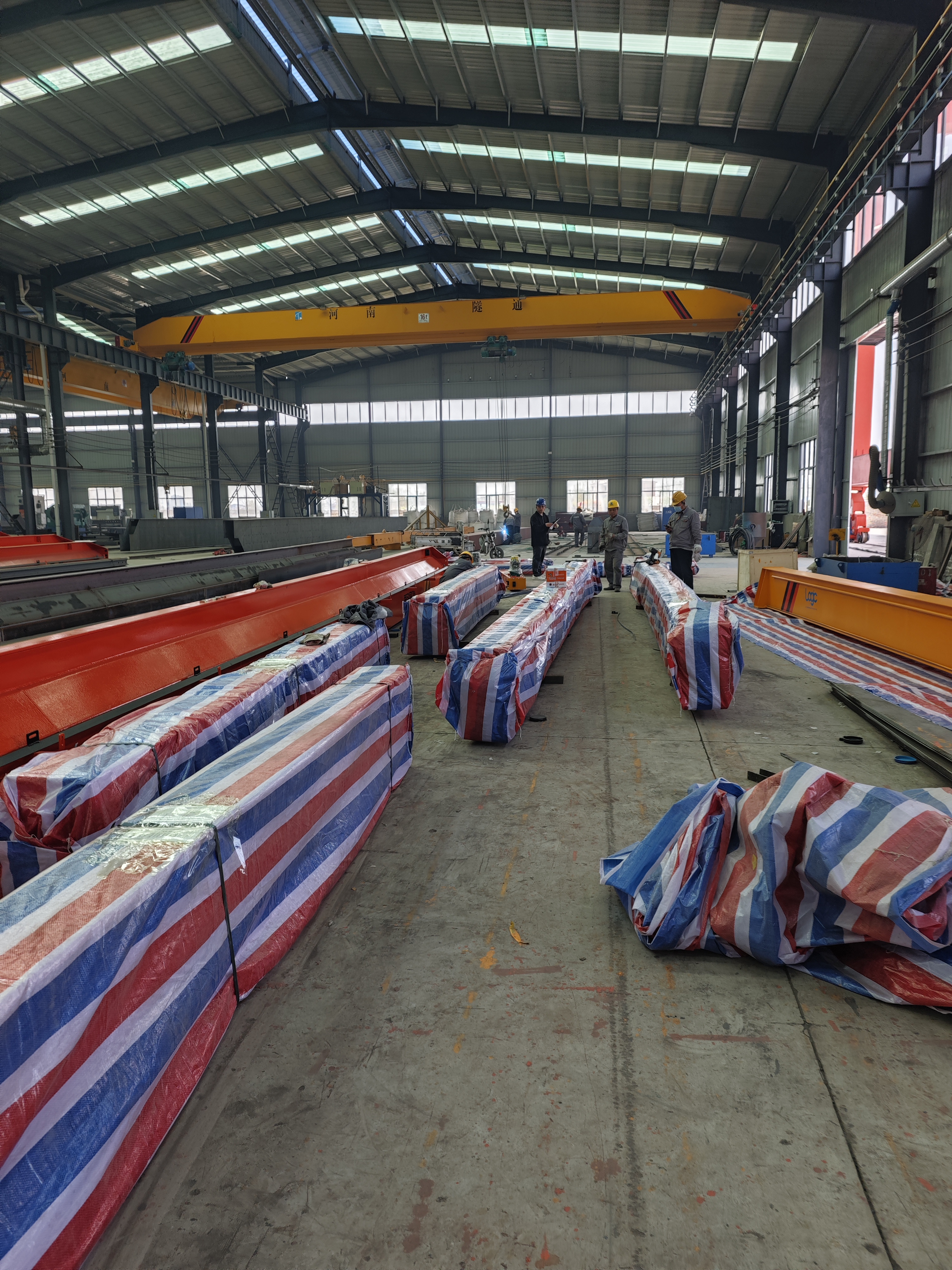
China, Italy and Turkey are the top three supplying countries for overhead cranes in Egypt, with China leading in import volume. Italy and Turkey benefit from geographical proximity, offering advantages in logistics, delivery lead times and after-sales response, along with greater flexibility and cost efficiency. Turkey’s crane industry is well-developed with a diverse product range including single-girder, double-girder and gantry cranes, mostly certified with CE and ISO and compliant with FEM and DIN standards to meet basic market demands. Italy excels in high-precision, high-reliability cranes with advanced automation and manufacturing technologies, targeting the mid-to-high-end segment. Chinese overhead cranes stand out for their comprehensive product range, stable performance and high cost-effectiveness. Suppliers provide full-scenario lifting solutions covering light single-girder, heavy double-girder, metallurgical, explosion-proof and other models, including European-standard series, widely used in oil and gas, metallurgy, steel, ports and other industries. Supported by a complete industrial chain and large-scale production, Chinese suppliers maintain strong competitiveness in delivery, cost control and spare parts. With deepening China-Egypt industrial cooperation under the Belt and Road Initiative, Chinese crane manufacturers have enhanced local services and brand influence, becoming an important force in Egypt’s industrial modernization.
Conclusion
Local Egyptian overhead crane suppliers meet basic lifting needs with low additional costs (transport, taxes) and fast after-sales service. Neighboring suppliers offer convenient logistics and shorter lead times. Chinese suppliers provide superior cost-performance, a more complete product lineup and stable quality, with strong overall competitiveness.
Customers can select the most suitable supplier based on project scale, budget, schedule and technical requirements to ensure efficient, safe and long-term value from their overhead crane investment.
CONTACT
Be the first to know about our new product releases and latest news articles.Do you have any questions or requests?
Click below and we'll be happy to help. CONTACT